The muscles that make up the core include:

THE BACK

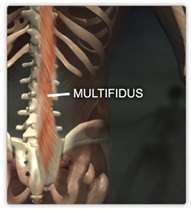
multifidi (deep, small local muscles passing along 2-3 spinal segments); erector spinae (large muscle group extending the length of spine); quadratus lumborum (deep, side flexor of the spine)

THE ABDOMINALS:

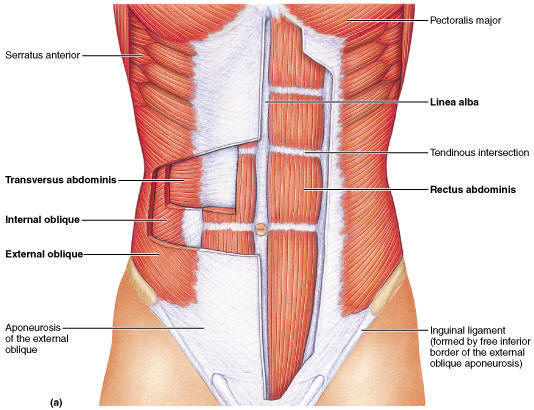
transversus abdominis (the deepest and the  first abdominal muscle to contract and support the spine before limb movement occurs link);

internal obliques (deep muscle, aids in trunk rotation and side bending)

external obliques (most superficial abdominal muscle);

rectus abdominis (the most prominent and well-known 'ab' muscle).

THE HIPS

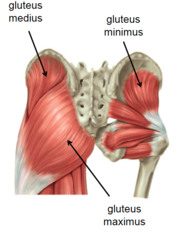
gluteus maximus and medius (have an important role in transferring force from the legs to the spine.)

Weak hips have been associated with increased knee injuries. link
 

The job of the core is to:

  • Support and protect the spine.
  • Provide a solid base from which the limbs can move powerfully.
  • Transfer energy between the arms and legs during sports.

A weak core works harder to support the spine and has less energy available for the limbs. This results in less power, inefficient movement and possible injury.

A strong core allows the limbs to produce powerful movements with less forceful contractions and less likelihood of muscle strain

Benefits of core strengthening are :

  • Efficient movement, no wasted energy
  • Increased power
  •  Reduced risk of injury
  • Improved balance and stability
  • Improved athletic performance!
  • This free website was made using Yola.

    No HTML skills required. Build your website in minutes.

    Go to www.yola.com and sign up today!

    Make a free website with Yola